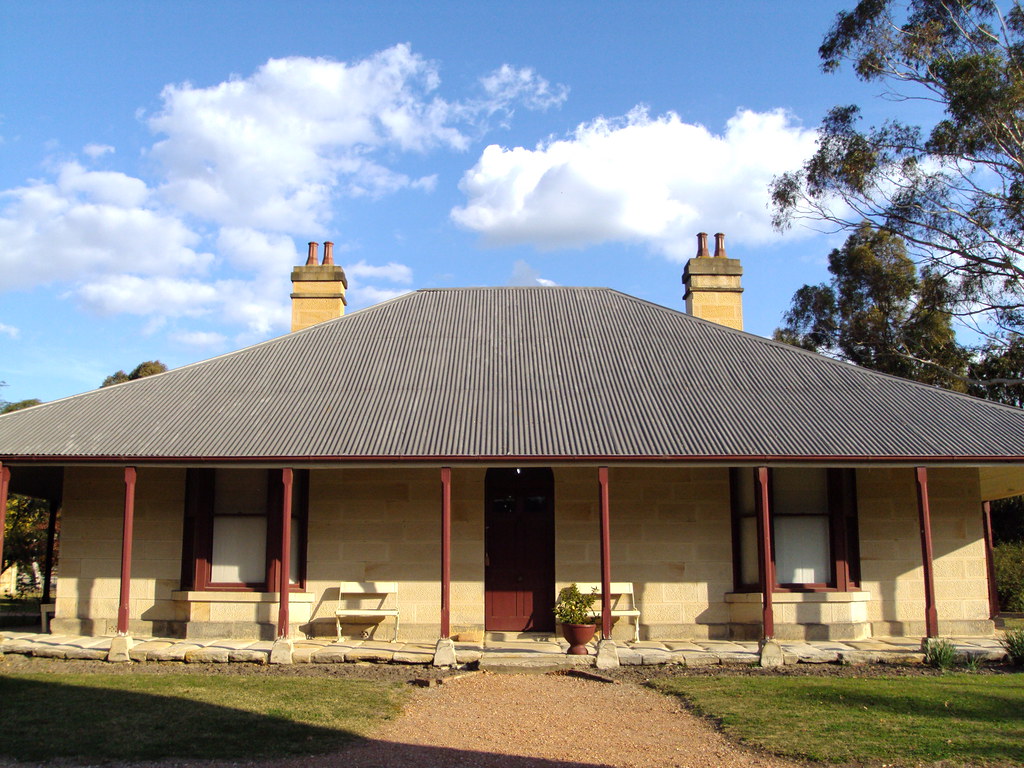
Australian house prices have experienced a significant decline, marking the worst quarterly fall on record. This downturn is evident across every capital city, raising concerns for homeowners and investors alike.
Overview of the Current Housing Market
The Australian housing market is currently experiencing a significant downturn, with recent data revealing the worst quarterly fall on record for house prices. This decline has affected every capital city across the nation, leading to widespread concern among homeowners and potential buyers alike.
Experts attribute this sharp drop to a combination of factors, including rising interest rates, increasing living costs, and a slowing economy. As a result, many buyers are stepping back from the market, causing demand to plummet. Analysts suggest that this trend could lead to further price corrections in the coming months.
The current situation has prompted discussions on the longer-term implications for the housing market. Some key points include:
- Interest Rates: Many homeowners are struggling with higher mortgage repayments, pushing them to reconsider their financial commitments.
- Economic Uncertainty: As inflation continues to rise, consumer confidence is waning, impacting purchasing decisions.
- Investment Opportunities: While house prices are falling, some investors see this as a potential opportunity to enter the market at lower price points.
Overall, the outlook for Australian house prices remains uncertain, with many waiting to see how economic conditions will evolve in the near future.
Factors Contributing to Price Decline
Several factors are contributing to the significant decline in Australian house prices, marking the worst quarterly fall on record. The combination of economic pressures and changing market dynamics has created a challenging environment for homeowners and potential buyers alike.
- Interest Rate Increases: The Reserve Bank of Australia has raised interest rates multiple times in response to inflation, making borrowing more expensive. This has slowed down demand in the housing market.
- Cost of Living Crisis: Rising living costs have squeezed household budgets, leading many to reconsider their housing needs and capabilities. This has resulted in fewer buyers in the market.
- Investor Activity: With increased uncertainty, many investors are pulling back, contributing to a reduced demand for properties. This has further strained prices across various capital cities.
- Government Policies: Changes in government housing policies, including alterations to incentives for first-time buyers, have also played a role in dampening interest and activity in the market.
As these factors continue to influence buyer sentiment, the outlook for Australian house prices remains uncertain, with experts predicting that further declines may occur in the near future.
Impact on Homeowners and Investors
The recent drop in Australian house prices has sent shockwaves throughout the real estate market, leaving both homeowners and investors grappling with the implications. As the steepest quarterly fall on record has been reported, many are now reassessing their financial strategies.
Homeowners who purchased properties at inflated prices during the market peak may find themselves in a precarious situation. With values declining, some may face negative equity, where their mortgage exceeds the current market value of their home. This scenario not only poses a threat to their financial stability but also limits their options for selling or refinancing.
Investors, particularly those relying on rental income, are also feeling the impact. The decline in Australian house prices could lead to reduced rental yields, making property investments less attractive. As demand wanes, some investors may consider exiting the market, further exacerbating the downward trend.
In light of these challenges, many are seeking alternatives. Some homeowners are opting to hold onto their properties in hopes of a market recovery, while investors are exploring diversified portfolios to mitigate risks.
- Negative equity concerns for homeowners
- Reduced rental yields affecting investors
- Reassessing financial strategies necessary
Regional Variations in House Prices
The latest data reveals significant regional variations in Australian house prices, highlighting a stark contrast between urban and rural areas. While major cities have experienced steep declines, some regional markets are showing resilience amidst the downturn.
Many capital cities, including Sydney and Melbourne, have recorded substantial price drops, exacerbated by rising interest rates and economic uncertainties. For instance, Sydney saw a decrease of approximately 5.5% in the last quarter, while Melbourne followed closely with a 4.8% decline. In contrast, certain regional towns have only experienced minimal impacts, with some areas even reporting slight gains.
- Regional Areas with Price Gains: Towns such as Ballarat and Geelong have reported a 2.3% and 1.5% increase respectively, driven by strong demand for more affordable housing options.
- Urban Declines: Major urban centres continue to face challenges, as the shift towards remote work and lifestyle changes have prompted many to relocate to the regions.
- Investor Sentiment: Investors are now diversifying their portfolios, looking beyond metropolitan markets to explore opportunities in regional areas.
Overall, the disparities in the housing market reflect a complex landscape where Australian house prices are influenced by both local conditions and broader economic trends.
Expert Opinions on Future Trends
Experts are divided on the future trends of Australian house prices following the steepest quarterly fall on record. Some analysts believe that the decline may continue in the short term, while others suggest that the market could stabilise or even recover in the coming months.
- Dr. Jane Thompson, a leading economist, states, “The current downturn is largely driven by rising interest rates and reduced buyer confidence. We may see a prolonged period of adjustment before any significant recovery occurs.”
- Mark Robinson, a property analyst, offers a more optimistic viewpoint, saying, “While the data shows a concerning trend, we often see resilience in the Australian property market. Regional variations may offer opportunities for growth, despite the overall price decline.”
- Emily Nguyen, a housing market consultant, notes, “The effects of inflation and economic uncertainty are palpable. However, historical patterns suggest that Australian house prices tend to rebound after downturns, particularly in strong economic climates.”
As buyers and investors remain cautious, the consensus among experts is that navigating the future of Australian house prices will require close attention to economic indicators and regional market dynamics.
Government Response to Housing Crisis
In response to the alarming decline in Australian house prices, the government has announced a series of measures aimed at stabilizing the housing market. Officials have recognized the urgency of the situation, particularly as the latest reports indicate the steepest quarterly fall on record, affecting every capital city across the country.
The measures include:
- Increased Funding for Affordable Housing: The government plans to allocate additional resources to develop affordable housing projects, aimed at helping low- and middle-income families access homeownership.
- Interest Rate Adjustments: Discussions are underway regarding potential changes to interest rates to ease the financial burden on homeowners and stimulate the housing market.
- Support for First-Time Buyers: Initiatives to support first-time homebuyers, such as grants and tax incentives, are being considered to encourage entry into the market.
- Investment in Infrastructure: Investments in infrastructure projects are expected to enhance property values and attract buyers to regional areas, which have seen varying impacts on house prices.
As the crisis unfolds, the effectiveness of these measures will be closely monitored, with hopes that they will mitigate the negative effects of declining house prices and restore stability to the market.
Advice for Prospective Buyers
As Australian house prices experience the worst quarterly fall on record, prospective buyers are advised to approach the market with caution and strategic planning. With every capital city witnessing a decline, understanding the current landscape is crucial for making informed decisions.
Here are some key considerations for potential homebuyers:
- Research Market Trends: Stay updated on local market conditions, as prices can vary significantly between regions. Look for neighborhoods that show signs of stability or growth.
- Assess Financial Readiness: Ensure your finances are in order. This includes having a clear budget and securing pre-approval for a mortgage, which can enhance your negotiating power.
- Negotiate Wisely: In a declining market, sellers may be more willing to negotiate on price. Don’t hesitate to make reasonable offers that reflect current market conditions.
- Consider Long-Term Value: Focus on properties that are likely to appreciate over time. Look for features that add value, such as proximity to amenities and potential for renovations.
- Consult Experts: Engage with real estate professionals who can provide insights and guidance tailored to your situation.
By following these tips, prospective buyers can navigate the challenging landscape of Australian house prices effectively.
Long-term Outlook for Australian Real Estate
The long-term outlook for Australian house prices remains uncertain, as analysts weigh the implications of the recent downturn on the broader real estate market. While the current drop represents the steepest quarterly fall on record, many experts believe that this could be a necessary correction after years of rapid growth.
Several factors will influence the trajectory of house prices moving forward:
- Interest Rates: Ongoing changes in monetary policy will play a crucial role. If rates stabilize, buyer confidence may return.
- Economic Recovery: A rebound in the economy could bolster demand for housing, supporting price recovery.
- Supply and Demand Dynamics: The balance between housing supply and demand will continue to affect prices. Increased construction could alleviate pressure on the market.
- Government Policies: Future initiatives aimed at supporting first-time buyers or increasing housing availability could influence market conditions.
In addition, demographic trends, such as migration patterns and population growth, will also play a significant role in shaping the long-term outlook for the Australian housing market. As these elements evolve, stakeholders will need to navigate a complex landscape to make informed decisions about their investments in real estate.
By denisbin via Openverse